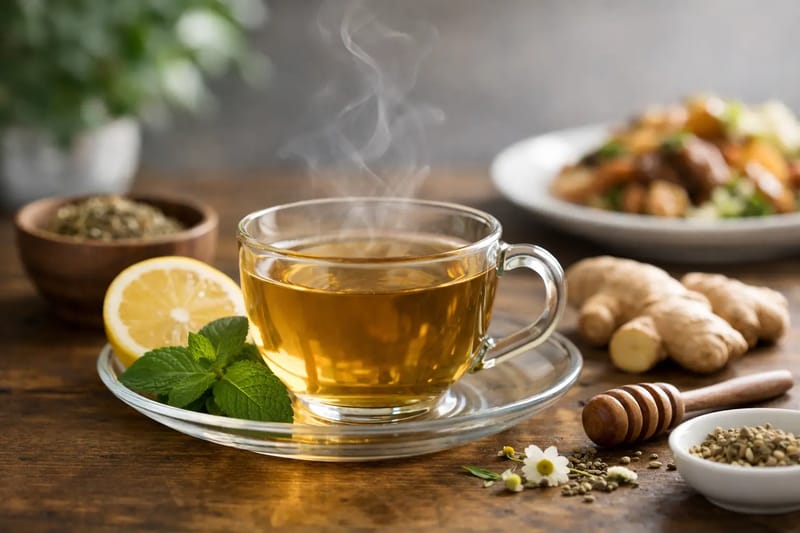
post about benefits of tea
Best Tea for Bloating After a Heavy Meal
Lunch was good. Your stomach disagrees.
If you’re searching for the best tea for bloating, you probably don’t want a wellness lecture. You want something that helps after mixed rice, banana leaf, hotpot, late-night fried food, or that office lunch that hit harder than expected. Fair enough.
Tea can help, but not every tea does the same job. Some teas feel light and clean. Some cut through oily, heavy meals better. Some are too harsh on an empty stomach. And some so-called “bloating teas” are just dusty herbs in fancy packaging.
Here’s the straight answer: the best tea for bloating depends on what kind of bloating you have, what you just ate, and how sensitive your stomach is.
What actually helps when you feel bloated
Bloating is not one thing.
Sometimes it’s that stuffed, overfull feeling after a greasy lunch. Sometimes it’s trapped gas. Sometimes it’s sluggish digestion and that dull, heavy “I need to unbutton my pants” feeling. Tea won’t magically fix every cause, but the right one can make you feel noticeably better.
What usually helps is a tea that is warm, easy to drink, and not loaded with sugar or milk. That matters more than people think. A lot of café tea drinks make things worse because they come with syrup, creamer, condensed milk, or tea dust so harsh you need sugar just to finish the cup.
Whole-leaf tea is different. It’s cleaner, usually gentler, and you can brew it strong or light depending on how your stomach feels.
Best tea for bloating: the top picks

Ripe Pu-erh for heavy, greasy meals

If your bloating shows up after oily food, rich curries, fried chicken, steamboat, or a massive economy rice lunch, Ripe Pu-erh is hard to beat.
It’s earthy, smooth, and usually low on bitterness. More importantly, it feels grounding after a heavy meal. Not in a fake spiritual way. In a practical way. Your stomach feels less loaded, and that post-lunch slump often eases up too.
This is the tea we’d put first for the classic office-worker problem: you ate too much at 1 PM and now your body wants to shut down by 2:30.
Why it works well for that situation:
- It pairs well with oily, savory food
- It’s warming and easy on the stomach for many people
- It has enough body to feel satisfying without becoming sugary like teh tarik
The trade-off is simple. If you prefer bright, fresh flavors, Pu-erh may taste too earthy at first. But for digestion after heavy meals, that depth is exactly why many people keep coming back to it.
Oolong for a lighter, cleaner reset

If Pu-erh feels too dark or heavy for your taste, oolong tea is a strong second choice.
Oolong sits between green and black tea. It usually has more aroma and body than green tea, but without the heaviness of some black teas. After a meal that leaves you puffy but not wrecked, oolong can feel like a cleaner reset.
This is a good option if your bloating is mild to moderate and you still want something refreshing. It also works well if you drink tea throughout the day and don’t want every cup to feel intense.
It depends on the oolong, though. Heavier roasted oolongs can feel more warming, while greener oolongs taste lighter and more floral. If your stomach is sensitive, start with a gentler brew rather than going too strong.
Green tea if you want lightness, not weight

Green tea can help when you feel sluggish and puffy, especially after a salty meal. It tends to feel clean and crisp, which some people love after rich food.
But let’s be honest. Green tea is not always the best tea for bloating if your stomach is already irritated. On an empty stomach, or brewed too strong, it can feel sharp. If you’re the type who gets acidy or uncomfortable easily, green tea may not be your first move.
Where it works best is when you want something lighter than coffee, cleaner than milk tea, and you’re not dealing with serious digestive discomfort. A softer green tea, brewed properly, can be a good afternoon option when you need to recover from lunch without getting jittery.
Black tea if you want strength without sugar
Black tea is often overlooked here because people associate it with milk tea, teh tarik, or sweet café drinks. But plain whole-leaf black tea is a different thing entirely.
It’s bold, satisfying, and a good step down for someone trying to quit sugary tea drinks. If bloating comes from too much sweet, creamy junk on top of meals, switching to plain black tea can already make a noticeable difference.
That said, black tea is not the gentlest choice for everyone. Some people handle it well after food. Others find it a bit too brisk if their stomach is touchy. If you like a strong “kaw” profile and want a better habit than condensed milk tea, black tea makes sense. Just don’t force it if your stomach says no.
What tea should you skip when bloated?
Anything overloaded with sugar is the obvious one.
That includes bottled “tea” drinks, boba, syrup-heavy fruit tea, and the kind of café beverages that cost RM15 but are basically dessert in a cup. If you’re bloated, piling on sugar, milk, and creamer is usually not helping.
You should also be careful with very strong tea on an empty stomach. More strength does not always mean more relief. Sometimes a lighter brew works better, especially if your stomach feels tender rather than just full.
And yes, cheap tea dust matters. It gets bitter fast, tastes flat, and often pushes people to add sugar just to make it drinkable. That’s a bad cycle.
How to choose the best tea for bloating based on your meal
This is where people overcomplicate things. Keep it simple.
If you just ate something greasy, rich, or very heavy, go with Ripe Pu-erh.
If the meal was moderate but you feel puffy and uncomfortable, try oolong.
If you want a lighter afternoon reset and your stomach is generally fine, green tea can work.
If your real issue is that you keep reaching for teh tarik or milk tea, plain black tea is a smarter replacement.
That’s it. You don’t need a 15-ingredient “detox” blend with a dramatic box design.
Brewing matters more than people think
Good tea can still feel bad if you brew it badly.
If you’re dealing with bloating, start with warm tea, not scalding hot tea. Brew it a bit lighter than usual if your stomach feels sensitive. Sip slowly. Don’t chug it like iced water after football.
Loose leaf helps here because you have control. You can do a short steep, taste it, then adjust. You can also re-steep the same leaves several times, which makes cost per cup much better than most café drinks. A decent loose-leaf tea can easily give you 4 to 6 steeps, so the math gets pretty clear fast.
You’re not paying for shop rent, plastic cups, and syrup pumps. You’re paying for the leaf.
A practical routine that actually fits work life
If bloating is a regular problem, don’t wait until you feel terrible.
Keep a tea you trust at home or in the office. Brew it after lunch instead of defaulting to iced coffee or sweet drinks. Even one simple switch a day can change how your afternoons feel.
For most people, this routine works:
- Eat lunch.
- Wait a little bit, not instantly.
- Brew a warm cup of Pu-erh or oolong.
- Sip through the next 20 to 30 minutes while you work.
That gives your stomach a better shot than smashing a cold sugary drink and hoping for the best.
If you want the most reliable starting point, start with Ripe Pu-erh. It’s the most forgiving after heavy food, and for a lot of people, it delivers the most obvious difference.
That’s one reason curated tea matters. At Shenstea, the whole point is filtering out the flat, harsh stuff so you’re not gambling on random leaves and calling it self-care. Stop gambling on cheap tea dust. Try a well-made Ripe Pu-erh after your next heavy lunch and see how your stomach feels an hour later.
One last thing. If your bloating is severe, constant, or comes with pain, don’t treat tea like a miracle fix. But if your problem is the usual urban-life combo of stress, rushed lunches, greasy food, and too many sweet drinks, the right tea is a small change that pulls real weight. Sometimes that’s all you need – a better cup after a bad meal.
- Published in Tea Benefits